

AUGUST 29 • 2024 | 47
J
N
pickling liquid. Season to taste
with salt and pepper. Fold in
arugula. Add additional pickling
liquid, if desired.
EASIEST BAKED
MAC-AND-CHEESE
Adapted from Deb Perelman
Serves 6-8. Dairy
Ingredients
2 Tbsp. unsalted butter
1 cup full-fat sour cream
2 cups low-fat or whole milk
1 tsp. dry mustard
Pinch cayenne (optional)
Pinch freshly grated nutmeg
½ tsp. fine sea salt
¼ tsp. freshly ground black pepper
1 pound sharp or extra-sharp cheddar
cheese, grated
½ pound uncooked elbow pasta
Directions
Heat oven to 375°F and position
an oven rack in upper third of
oven. Use 1 tablespoon butter to
grease a 9-inch round or square
baking pan.
Whisk sour cream, milk,
mustard, cayenne, nutmeg, salt
and pepper in a large bowl.
Reserve ¼ cup grated cheese
for topping and add the rest,
along with the uncooked pasta,
to milk mixture, stirring to
combine. Pour into prepared
pan, cover tightly with foil and
bake 30 minutes.
Uncover pan, stir gently,
sprinkle with reserved cheese
and dot with remaining
tablespoon
butter.
Bake,
uncovered,
30 minutes
more, until
browned. Let cool
at least 15 minutes
before serving.
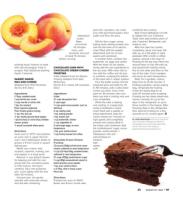
CHOCOLATE CAKE WITH
CHOCOLATE CREAM CHEESE
FROSTING
Cake adapted from Ina Garten,
frosting adapted from Sally
McKenney
Serves 8 or makes 24 cupcakes.
Dairy
Ingredients
Cake
1¾ cups all-purpose flour
2 cups sugar
¾ cups good cocoa powder, such as
Valrhona
2 tsp. baking soda
1 tsp. baking powder
1 tsp. kosher salt
1 cup buttermilk, shaken
½ cup vegetable oil
2 extra-large eggs, at room
temperature
1 tsp. pure vanilla extract
1 cup freshly brewed hot coffee
Chocolate Cream Cheese
Frosting
12 ounces (339g) full-fat brick cream
cheese, softened to room temperature
¾ cup (12 Tbsp/170g) unsalted butter,
softened to room temperature
3½ cups (420g) confectioners’ sugar
⅔ cup (55g) unsweetened natural or
Dutch-process cocoa powder
1 tsp. pure vanilla extract
1–2 Tbsp. milk or heavy cream
Pinch salt
Directions
Preheat the oven to 350°F.
Butter two 8-inch round cake
pans (for cupcakes, see note).
Line with parchment paper, then
butter and flour the pans.
Sift the flour, sugar, cocoa,
baking soda, baking powder and
salt into the bowl of an electric
mixer fitted with the paddle
attachment and mix on low
speed until combined.
In another bowl, combine the
buttermilk, oil, eggs and vanilla.
With the mixer on low speed,
slowly add the wet ingredients to
the dry ones. With mixer still on
low, add the coffee and stir just
to combine, scraping the bottom
of the bowl with a rubber spatula.
Pour the batter evenly into the
prepared pans and bake for 35
to 40 minutes, until a cake tester
comes out clean. Cool in the
pans for 30 minutes, then turn
them out onto a cooling rack and
cool completely.
While the cake is baking
and cooling, in a large bowl
using a handheld or stand
mixer fitted with a paddle or
whisk attachment, beat the
cream cheese for 1 minute on
high speed until completely
smooth and creamy. Beat in
the butter until combined. Add
the confectioners’ sugar, cocoa
powder, vanilla extract, 1
Tablespoon milk and
salt and beat on
medium-
high
speed
until
combined and creamy.
Add 1 more tablespoon of milk
to slightly thin out, if desired.
Taste, then add another pinch of
salt, if desired. Refrigerate until
ready to use.
After the cake has cooled
completely, place one layer, flat
side up, on a flat plate or cake
pedestal. With a knife or offset
spatula, spread a thin layer of
frosting on the top only. Place the
second layer on top, flat side up,
and spread the frosting evenly
first on the sides and then on the
top of the cake. Cut in wedges
and serve at room temperature.
Note: For cupcakes, reduce
bake time to 25-30 minutes. If
frosting cupcakes, using a piping
bag, refrigerate the frosting
inside the piping bag for at
least 30 minutes prior to piping.
Frosting can be made ahead and
stored, covered, for up to five
days in the refrigerator or up to
three months in the freezer. After
freezing, thaw in the refrigerator
then beat the frosting for a few
seconds so it’s creamy again.
Dr. Joelle Abramowitz works as an economist
at the University of Michigan’s Institute for
Social Research and also writes about food
and life. See more of her writing at
gastronomisteconomist.substack.com.