

is the youngest resident. At Prentis
I, the oldest resident is 100, the
youngest 38. At Prentis II, the oldest
is 91 and the youngest 43; the
average age for residents in the two
buildings is 81.
At Hechtman, the oldest is 103,
the youngest 35, and the average
age is 78.
The average age is climbing as
people — especially Jewish people —
live longer.
"People are aging in place," Mrs.
Naimark says. "Some of our
residents have been at Prentis since
the place opened 20 years ago. It's
not many, but there are some."
The entry age at JFA units is
creeping up, Mrs. Naimark says.
"Eighty-year-olds are coming to us
with the same functioning levels 70-
year-olds used to have. We have a
94-year-old lady who volunteers in
our office every week. I don't think
of 70 as old anymore, especially as I
get closer to it." Mrs. Naimark is 66.
"I don't judge people by age
anymore, but by their functional
level."
Mrs. Naimark says Jews take
better care of themselves, have
better access to medical care and
watch their diet better than the gen-
eral population. She believes the ac-
tive lifestyle and mandatory five
evening meals a week in JFA
buildings also contribute to the lon-
gevity of JFA residents.
Longevity, however, is leading the
agency to a dilemma: how does JFA
keep healthy but frail residents
without changing into a nursing
home?
"As people become more frail,
what do we do?" Mrs. Naimark says.
"People here get up and go. If we
provide more services how will it af-
fect us?"
New JFA President Janet Levine
agrees. "We are not a nursing home.
We are housing for the independent
elderly. We have security and
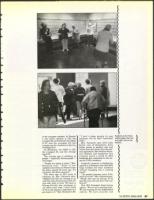
Residents at the Prentis
building gather their mail
and meet in front of the
elevators.
THE DETROIT JEWISH NEWS
27